
4 Overhead Crane Standards Checks Before Ordering
The phrase “international standard crane” is too vague for a purchase agreement. A useful request for quotation names the applicable standards, their editions where relevant, and the exact documents needed for the installation country.
1、Why this decision matters
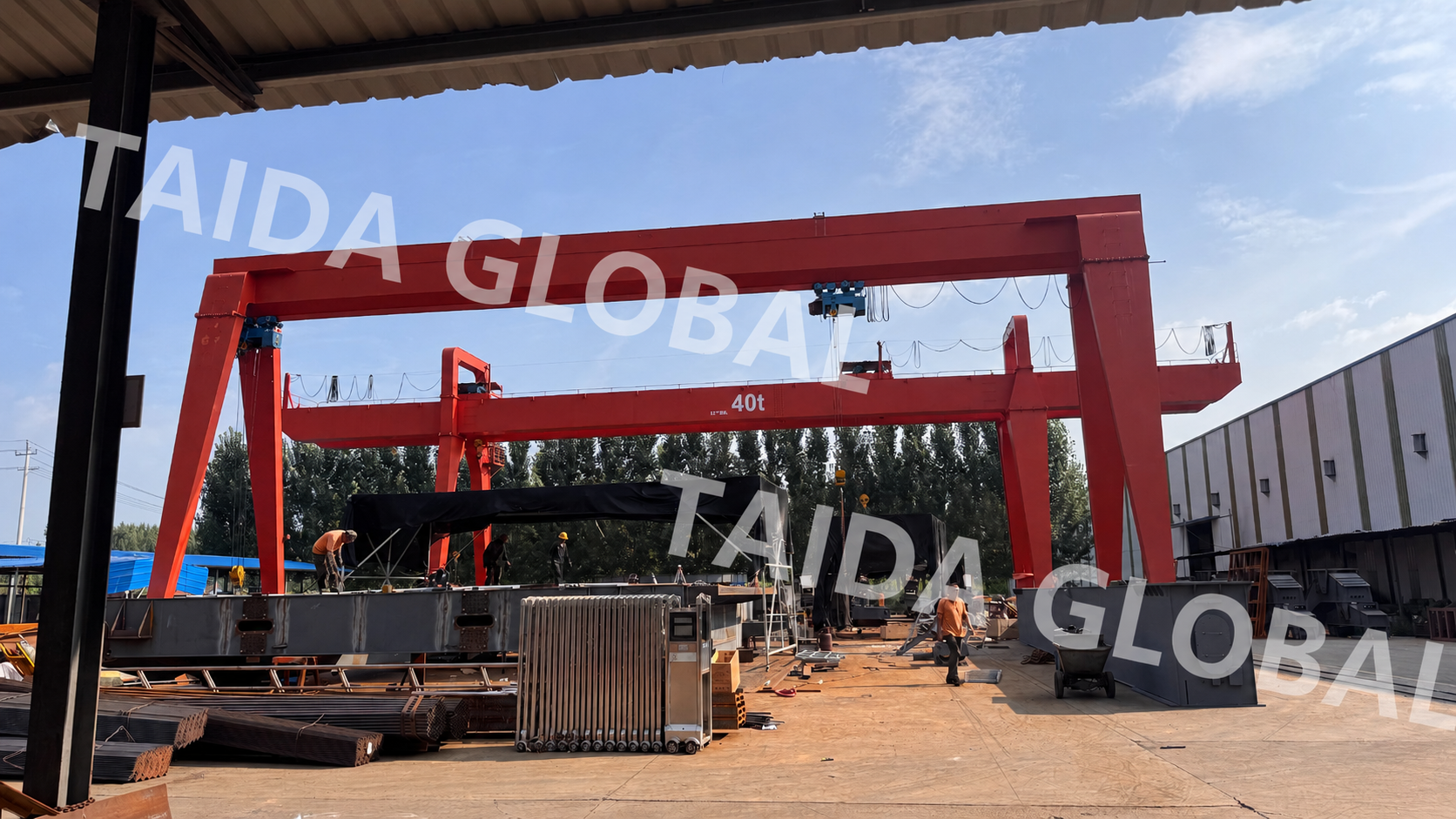
A bridge crane is integrated with the plant building or an engineered runway. Its usefulness depends on the relationship between the load, the travelling envelope, structural supports and maintenance access. The buying team should therefore involve both production and engineering personnel early.
2、Design basis
Clarify the load spectrum, duty or classification, motions, wind exposure and operating environment. Different design frameworks may describe the same duty differently; the engineer must establish the basis used in the calculation.
3、Legal versus voluntary requirements
Separate obligations imposed by local law from voluntary industry specifications and customer preferences. A certificate mentioned in marketing material does not automatically establish approval for a specific destination.
4、Documentation and traceability
Define which drawings, calculations, electrical schematics, inspection reports and component certificates will be delivered. Ask who signs each record and which stage of manufacture it represents.
5、Acceptance criteria
Link each requirement to a verifiable check rather than using general promises such as “high quality.” State how deviations will be handled and whether third-party witnessing is required.
6、Practical project example
For Indonesian or Angolan projects, a manufacturer’s familiarity with overseas standards is useful but cannot replace verification of the destination rules, site approval and local inspection process.
7、Information to include in the RFQ
Attach an applicability matrix listing requirement, cited standard, responsible reviewer, evidence required and acceptance stage.
8、Common procurement mistake
Do not compare offers until their scope, equipment configuration, inspection documentation and responsibilities are equivalent. Ask suppliers to identify any exclusions in writing, especially those involving site works, testing or spare parts.
The destination country, installed equipment configuration and approved project documents determine which legal, engineering and inspection requirements apply. A general article cannot replace site-specific engineering approval.
9、Frequently asked questions
① How should buyers evaluate design basis?
Different design frameworks may describe the same duty differently; the engineer must establish the basis used in the calculation.
② Why should the team review legal versus voluntary requirements?
A certificate mentioned in marketing material does not automatically establish approval for a specific destination.
③ Which risks are connected to documentation and traceability?
Ask who signs each record and which stage of manufacture it represents.
④ What evidence is needed for acceptance criteria?
Link each requirement to a verifiable check rather than using general promises such as “high quality.” State how deviations will be handled and whether third-party witnessing is required.
⑤ Which regulations apply to the project?
Use the rules and standards applicable to the installation country, together with the approved drawings and contract. Local professional review is necessary where required.
⑥ What should I include in the supplier RFQ?
Attach an applicability matrix listing requirement, cited standard, responsible reviewer, evidence required and acceptance stage.
10、Procurement takeaway
A stronger purchasing decision begins with verified operating data, comparable offers and a documented acceptance plan. TAIDA GLOBAL can support industrial buyers with sourcing coordination and technical requirement clarification; final designs and approvals remain the responsibility of qualified project professionals.
Related TAIDA GLOBAL equipment information: https://heavy.dsxue.com/overhead-cranes/heavy-duty-process-overhead-crane.html
This article is an educational procurement guide; it does not certify an equipment design.


