
4 Overhead vs Gantry Crane Factors for Your Factory
The right lifting arrangement depends on where the load travels, what structure exists and how often equipment must be moved. A bridge crane is not automatically better than a gantry crane, or vice versa.
1、Why this decision matters
A bridge crane is integrated with the plant building or an engineered runway. Its usefulness depends on the relationship between the load, the travelling envelope, structural supports and maintenance access. The buying team should therefore involve both production and engineering personnel early.
2、Structural interfaces
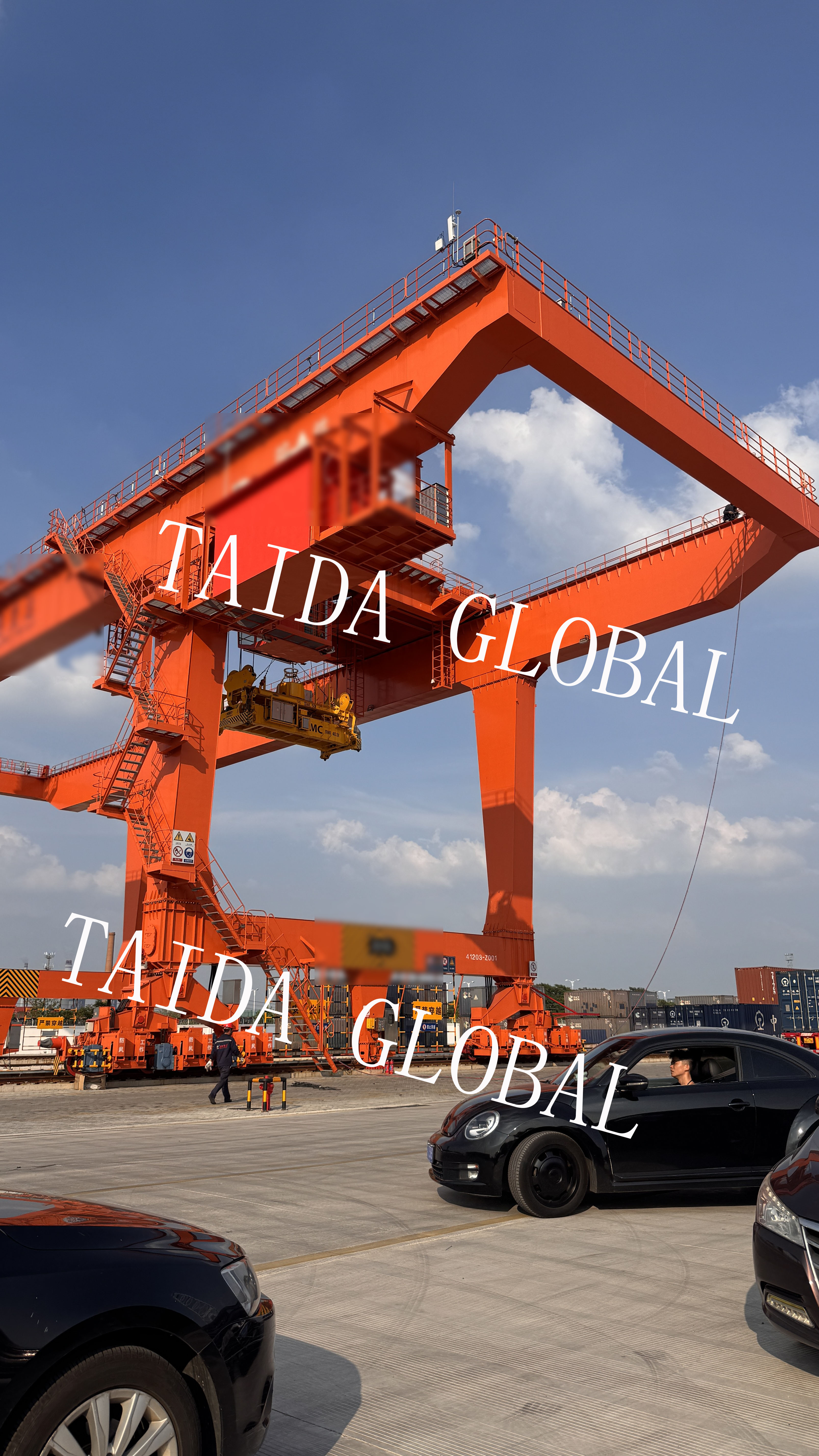
Overhead cranes normally use elevated runways supported by building or dedicated structures. Gantry cranes transfer loads through legs to rails or other suitable ground-level supports. Both need engineered load paths.
3、Working envelope
Compare usable span, lift height, hook approach, travel path, side clearances and obstructions. A nominal span does not equal full usable coverage, especially around columns and equipment.
4、Mobility and site changes
Portable or movable gantries may serve changing work cells, subject to floor capacity and mobility limits. Permanent overhead systems can keep floor routes clearer in busy production environments.
5、Lifecycle cost
Include foundation or runway work, electrical supply, installation access, inspection, maintenance and future expansion. Comparing only the steel structure price overlooks major project costs.
6、Practical project example
For a new factory, compare both options during the civil-design phase. For an existing warehouse, measure actual clearances and available support capacity before selecting the crane.
7、Information to include in the RFQ
Include load envelope, floor plan, lifting routes, duty, power supply, site drawings and future expansion plans.
8、Common procurement mistake
Do not compare offers until their scope, equipment configuration, inspection documentation and responsibilities are equivalent. Ask suppliers to identify any exclusions in writing, especially those involving site works, testing or spare parts.
The destination country, installed equipment configuration and approved project documents determine which legal, engineering and inspection requirements apply. A general article cannot replace site-specific engineering approval.
9、Frequently asked questions
① How should buyers evaluate structural interfaces?
Overhead cranes normally use elevated runways supported by building or dedicated structures. Gantry cranes transfer loads through legs to rails or other suitable ground-level supports. Both need engineered load paths.
② Why should the team review working envelope?
A nominal span does not equal full usable coverage, especially around columns and equipment.
③ Which risks are connected to mobility and site changes?
Permanent overhead systems can keep floor routes clearer in busy production environments.
④ What evidence is needed for lifecycle cost?
Comparing only the steel structure price overlooks major project costs.
⑤ Which regulations apply to the project?
Use the rules and standards applicable to the installation country, together with the approved drawings and contract. Local professional review is necessary where required.
⑥ What should I include in the supplier RFQ?
Include load envelope, floor plan, lifting routes, duty, power supply, site drawings and future expansion plans.
10、Procurement takeaway
A stronger purchasing decision begins with verified operating data, comparable offers and a documented acceptance plan. TAIDA GLOBAL can support industrial buyers with sourcing coordination and technical requirement clarification; final designs and approvals remain the responsibility of qualified project professionals.
Related TAIDA GLOBAL equipment information: https://heavy.dsxue.com/products/
This article is an educational procurement guide; it does not certify an equipment design.


